
How to take control of your social media accounts positively
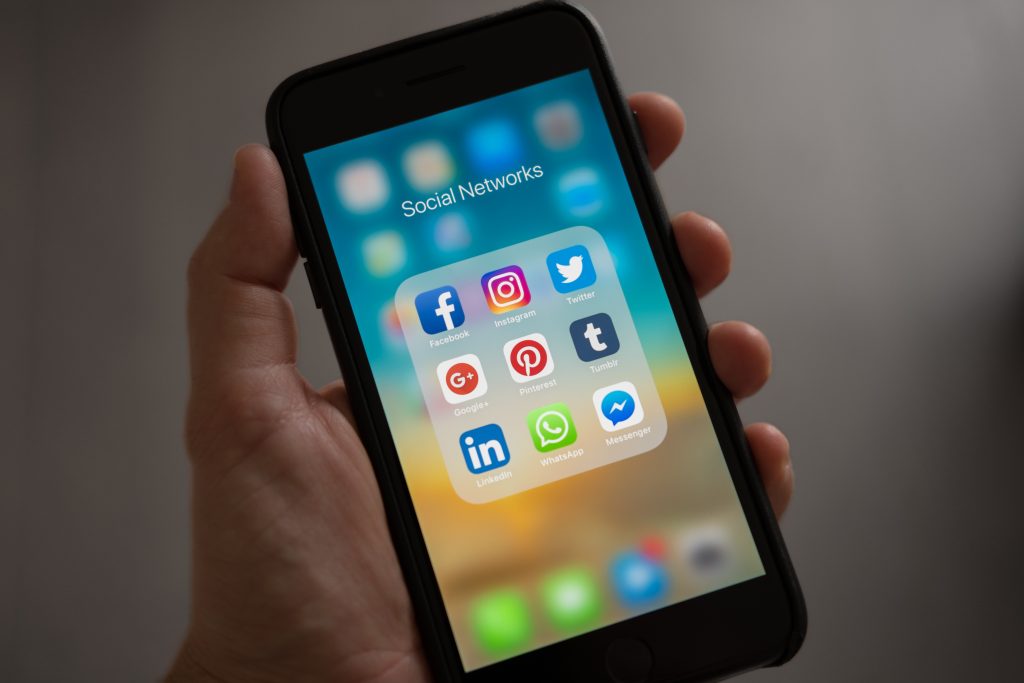
By now, we all realise how harmful social media can be. It can be addictive, create self image and self confidence issues, and can also be a toxic bed of negativity. Where in the past we would live our lives and our lived experience was all we knew (beyond those hard-to-attain celebrity lifestyles), now we see highlight reels of other people’s lives that make us resent our own and feel like we’re missing out.
Studies report that social media accounts for the reason many people now experience mental illness (especially in young people) and that the blue light of our phones stop us from getting a good night’s sleep, lowers our mood and increases stress. It’s clear that social media can be a negative place, that is, depending on how you use it.
Used mindfully, social media can be a positive, and at times, really helpful place. If you find social media a negative experience, then it may be time to edit your feed to create a better experience for your mental health. Here are six ways you can edit your social media feed to encourage positive mental health.
1. Unfollow people/accounts who make you feel bad
Jumping right on in here, unfollow – or mute – the people that make you feel bad. These people can fit into couple of categories:
Negative people
These people may be posting negative posts moaning all the time, or spouting hate about the world, people in it or how bad their day was. We all know these people, they post often and seeing their post can make you feel stressed, exhausted or make your feelings towards them turn sour.
Aspirational people
You may choose to follow people that inspire you to work towards your goals and the lifestyle that you want to lead. Maybe you follow fitness accounts, fashion inspiration or mummy bloggers that aim to help you improve yourself or gain skills. But, sometimes this can subtly make us feel worse about ourselves.
Firstly, you need to remember that these people are only showing the highlights of their lives and they don’t live perfect lives either (more on this in point 4). If you follow someone and find yourself thinking ‘I’m ugly, I wish I looked like that’ or ‘I wish I had a house like that, I’ll never own a house so nice’, then think to yourself, is that person making you feel good? Or are they creating feelings of self loathing and lowering your self esteem, even if their intention is good? If an account makes you feel like this, try muting or unfollowing them for the time being and see if you feel better about your social media experience.
The News
Included in this is not just people who own accounts but also company accounts. Does seeing sad news all the time make you feel down? Unfollow! Yes it’s good to know what’s going on in the world but if it’s affecting your mental health, step away for a while.
Now, we understand that it can be difficult to unfollow or unfriend people, especially if they’re family members or you have to see them regularly, but on all social media networks there is an option to ‘mute’ people. You can set it for an amount of time or indefinitely, to give yourself a break from seeing that person’s posts without them knowing you’ve muted them. On Instagram you can do this on story posts and on the main feed.
For a full list on how to mute people on all social media networks, click here.
2. Follow people/accounts that make you feel positive
This could come in any shape or form, maybe its a cute dog that brightens your day or a positive mental health page like the krysallis Instagram account (check us out on Instagram!) There are accounts and people posting positive content catered to everyone. Your social media profile is yours to curate, so why not make it valuable to you and a place where you feel in a positive headspace.
3. Find your community
One of the best things about social media is how it can bring people with similar interests together from all corners of the globe. Whether you like knitting, golf or Icelandic axe throwing, there is a community of people online that have the same interests, even if no one where you live does. Especially if you feel lonely, social media can be a great tool for making friends, and who knows, you might meet someone online who lives on your street and happens to share your passion of Icelandic axe throwing!
If you are struggling with feelings of loneliness and would like to speak to someone about it online instead of in person, we offer online therapy that might be suited to you. Find out more here.
4. Remember that social media is not reality
Social media creates a distorted perspective of reality, most people don’t air their dirty laundry online, so all we see is people having a great time and seemingly living amazing lives. No matter who the person is or how great their life appears, at the end of the day you don’t know what that person is going through behind the screen.
If feelings of jealousy or negativity creep in, try to take a step back to look at the bigger picture and remember that social media is not real life and that no one’s life is perfect. You might find out what that person is going through and realise that the grass isn’t greener and that you’d rather have your life anyway!
5. Monitor your negative self-talk
If you feel like you’ve tried the above points and you still find yourself talking negatively to yourself after spending time on social media, try to monitor your negative thoughts. When you think of something negative about yourself and compare yourself to others, try to think of something positive about yourself to counteract the negative thought pattern.
For example, instead of thinking ‘I wish I was as slim as her’ think, ‘my body is unique, I have had 2 children and my focus is on being a good mum’ or instead of ‘I wish I had a car like his, I’ll never afford that’ think ‘I’m a really kind person and have great friendships’.
Want to build your self-esteem? Read our blog on how you can do that here.
6. Set times for social media
Too much time on social media isn’t great for anyone, especially if it’s the first thing you look at when you wake up and the last thing you look at before you go to sleep. Research suggests that social media causes concentration issues for many people, as we consume so much information in such a short amount of time and our brains struggle to cope with the amount of information it has to process.
Setting boundaries on your social media use can increase productivity, help you get better sleep and give your brain a well needed rest from the information overload. Try not to look at your phone for the first and last thirty minutes of each day, that way your brain can wake up properly and you can also wind down properly so your brain knows when it’s time to sleep.
If you’re experiencing negative feelings from social media, set a timer so you only allow yourself thirty minutes of time on there before you stop and move on with your day.
If your use of social media is getting in the way of your life, or you think it’s impacting your mental health, it could be time to take a break altogether.
If your mental health is suffering due to social media, we are here to listen and help. Whether you’re experiencing feelings of anxiety, depression, low self-esteem or are finding it hard to be productive and would like to speak to a life coach, contact us here.